AI Amazon Repricer
Boost your Amazon profits and avoid price wars with AI repricing


If you have read or watched Amazon strategy tutorials that are more than five years old, you may have been taught outdated tips. The platform has changed considerably, and the strategies that worked for small sellers in 2021 may no longer be effective.
According to a Forbes report, the most significant change is in Amazon’s goals. The company has moved away from running a retail platform and toward becoming “the enabler of e-commerce sellers.”
The numbers confirm it. A decade ago, third-party sellers accounted for 40% of sales on the platform. Today, that figure is 60%.
Another significant change is the decline in the number of sellers. New seller registrations dropped 44% in 2025, the lowest figure since 2015. Active sellers also fell by around 30% between 2021 and the end of 2025.
That doesn’t mean Amazon competition is gone. Instead, the remaining sellers are earning more. The money has not disappeared but has instead been concentrated among sellers with more capital, more experience, and tighter operations.
Getting into that group as a small seller may be harder than it was five years ago, but it is not out of reach. This guide covers how.

By focusing on competing with big brands on Amazon, small and independent sellers can turn the odds in their favor. Below are key strategies to help level the playing field and give your business a competitive edge.
This Amazon strategy means you do not look for a product with high search volume and a strong sales history. Others are doing that too. Instead, find a category where the existing sellers are doing a poor job, then do it better.
Spot the Opening: Start by looking at the quality of existing listings. Many sellers offer the same product with identical photos and descriptions. The only difference is pricing, which is usually within cents of each other.
Build your own product: If you have the time and resources, find a problem no one has solved yet and build a product around it. Sellers who manufacture their own items face no direct competition, no Buy Box disputes, and no pressure to match competitors’ prices.
A well-optimized listing is essential for a successful Amazon business. As mentioned, Amazon’s competition is intense. Here’s how to make your business stand out:
Research Keyword: Use Amazon seller tools like Helium 10 or Amazon’s search bar to find relevant, high-value search terms. Incorporate these keywords naturally into your title, bullet points, and back-end search terms to improve search engine optimization and target niche markets more effectively.
Add Clear Product Titles: Ensure your Amazon listing title is clear, concise, and includes relevant keywords that match how customers search. For example: “Wireless Noise-Canceling Headphones – Bluetooth 5.3, 40H Battery, Hi-Fi Audio“
This title highlights key features, including wireless connectivity, noise cancellation, Bluetooth version, battery life, and audio quality. These are all features important for attracting more customers.
Use Bullet Points & Descriptions: Concise bullet points emphasize key features and product benefits. Moreover, product descriptions should tell a captivating story about your product while integrating keywords relevant to your product listings and advertising strategy.
Have High-Quality Images: Use professional, high-quality images that showcase your product from multiple angles and in real-life settings to enhance appeal and trust, crucial for delivering a positive customer experience.
Enroll in A+ Content: If eligible, use A+ Content to create visually engaging product pages. It is a valuable asset for a customer-centric company aiming to improve conversions and build customer loyalty.
Your Amazon strategy should not stop at the products and how they are presented. That’s because Amazon not only evaluates how well your products sell but also checks the paperwork behind your business, and sellers who cannot produce it when requested face serious problems regardless of their sales history.
Keep Your Records Clean: Maintain organized records of supplier invoices, identity documents, compliance certificates, and proof that your inventory came from a legitimate source. Amazon can request any of these at any time.
Research Category Requirements Before Sourcing: Some categories require safety certifications before a product can be listed, including electrical, child, or food safety. Others are gated, meaning Amazon needs to approve the seller before they can sell in that category.
Keep Your Account Details Consistent: If the business name, registered address, banking information, and storefront details do not match, Amazon may flag the account for verification.
Establishing a strong brand presence is essential for long-term success, especially amid growing Amazon competition. Here are the key Amazon strategies to build trust and credibility:
Get Authentic Customer Reviews: Encourage satisfied customers to provide feedback by sending follow-up emails. If you can, sign up for Amazon Vine. Enrolled sellers provide units to Vine Voices, who leave verified reviews that cannot be edited or incentivized, which is what makes them credible.
Invest in Brand Storytelling: Share your journey, values, and what makes your products unique on your About page and through A+ Content.
Aim for Customer Service Excellence: Build trust and receive positive feedback by responding quickly to inquiries, proactively resolving issues, and offering a hassle-free return process.
Many e-commerce sellers fail because they run out of money, not always because a product didn’t sell or because competitors beat them. That usually happens because revenue looked healthy while profit was not, and by the time the difference became obvious, they had nothing left to work with. Here’s the Amazon strategy for that:
Watch Your Inventory Closely: Poor inventory management is one of the biggest pitfalls. Sellers often run out of a top-performing product and lose momentum while waiting for the next shipment to arrive. On the flip side, over-ordering a slow-moving product leaves surplus stock sitting in Amazon’s warehouse, racking up storage fees. Both scenarios can quickly drain a small operation’s resources.
Budget Beyond The First Order: Before launch, budget for more than the cost of the first order. Shipping delays, customs holds, Amazon intake times, and sourcing errors all cost money and time. A seller who enters the market with exactly enough capital to cover one order has no room for any of those, and at least one of them will happen.
Track The Right Numbers: Once selling, track net profit, not revenue, per unit. Include:
A store generating six figures in monthly revenue with thin margins and slow-moving inventory is a cash-flow problem.
Pricing is a powerful tool for shaping consumer perception and maximizing sales. Below are key Amazon strategies that extend beyond simple price adjustments to influence the purchasing decisions of Amazon shoppers:
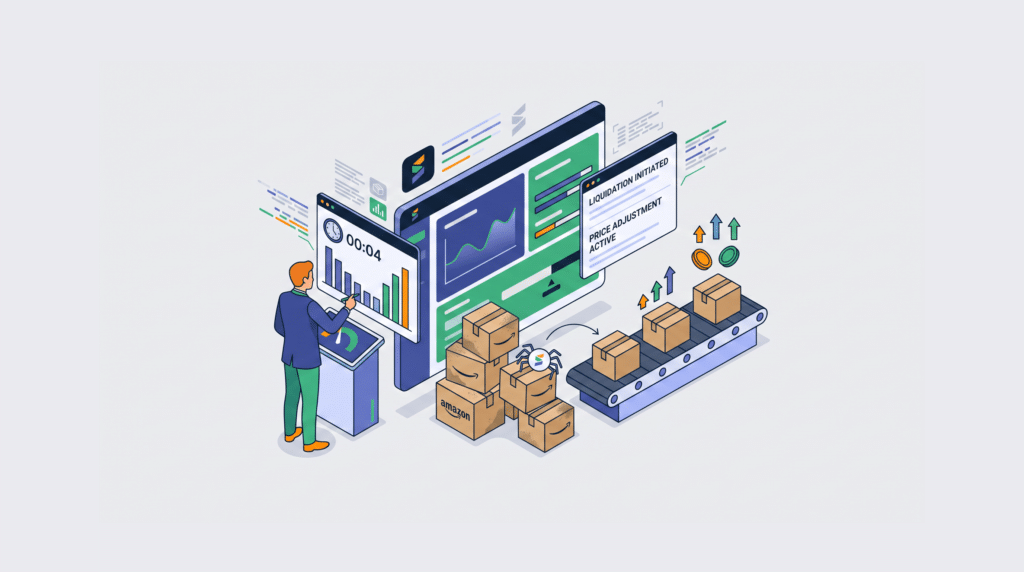
Use Automated Repricing: An AI Amazon repricer adjusts your listing prices automatically based on market trends and competitor behavior.
Price Psychologically: Pricing your products at .99 or .95 can make them seem more affordable, positively influencing customer behavior.
Bundle Products & Offer Discounts: Offering Amazon product bundles or limited-time discounts can make your listings more appealing to potential buyers.
Run Amazon Coupons & Lightning Deals: These promotional strategies can enhance visibility, increase conversion rates, and help you compete against big brands.
The Buy Box accounts for a significant portion of Amazon’s sales. Here are some strategies to improve your chances of winning the Amazon Buy Box:
Price Competitively: Keep your listing prices within a competitive range compared to your competitors. Tools like Seller Snap can help automate this process by continuously adjusting your prices to stay competitive while protecting your margins. This means you can win the Buy Box without racing to the bottom.
Use Amazon FBA: Amazon tends to favor its own logistics network, which makes FBA a reliable way to improve your chances of winning the Buy Box.
Maintain Strong Performance Metrics: Keep your order defect rate low and work toward consistently high positive feedback.
Ship Fast: If you are using FBM, aim for delivery speeds comparable to Amazon Prime.
Effective Amazon advertising campaigns enhance product visibility and drive sales on Amazon. Here are some Amazon Ads to help you stay competitive:
Sponsored Products: These product ads ensure that your Amazon listings appear at the top of search results for popular keywords.
Sponsored Brands: This ad type promotes your Amazon brand and showcases multiple products in a single ad, enhancing brand recognition.
Video Ads: To increase engagement with your listings, consider using video content, as it can help build trust and boost conversions.
Expanding beyond Amazon’s marketplace is an effective strategy for staying ahead of Amazon competition. By leveraging external traffic, Amazon businesses can drive sales, increase brand visibility, and reduce their reliance on Amazon’s search rankings.
Use Social Media Marketing: Platforms like Instagram, TikTok, Facebook, and Pinterest help build brand awareness and generate traffic.
Leverage Influencer Partnerships: Collaborate with niche influencers to promote your products authentically. Notably, 69% of consumers trust influencers’ recommendations directly from brands.
Build an Email List: Capture customers’ emails to re-engage them with promotions and product launches.
Create a Standalone Website: Establish a direct-to-consumer website to diversify revenue streams and foster a loyal customer base.
If you want to scale your business, consider strategically expanding your product offerings on Amazon. Here are some suggestions:
Offer Complementary Products: Items that naturally pair with your best-sellers, such as a protective carrying case or a fast-charging cable for wireless earbuds, can boost sales.
Sell Seasonal Trends: Identify products that experience spikes in demand during specific times of the year.
Go for Private Labeling: Create a unique brand to differentiate yourself from generic listings, such as developing a signature line of ergonomic office chairs with premium features.
Look for Subscription-Based Products: Focus on items that require refills or frequent repurchases, such as razor blade refills. These products fit well with Amazon’s Subscribe & Save.
As part of your growth, conducting ongoing market research will allow you to refine offers, better understand buyer behavior, and incentivize customers through better promotions, bundles, or loyalty programs.
Competing against big brands on Amazon can be challenging, but it is entirely possible. These strategies for small sellers to compete on Amazon work because they address the reasons businesses fail on the platform, such as choosing the wrong category, poor cash management, weak listings, and pricing that bleeds margins. When you get those four things right, the size of the competition matters a lot less.
Also, stay agile, continuously analyze your performance, and adapt to market changes to ensure ongoing growth. With the right approach, you won’t just overcome the Amazon competition; you will dominate it.
Seller Snap’s Starter tier is a practical entry point for small sellers looking to compete smarter, giving you access to AI-powered repricing without the overhead of an enterprise plan.
 4.9 on the Amazon App Store